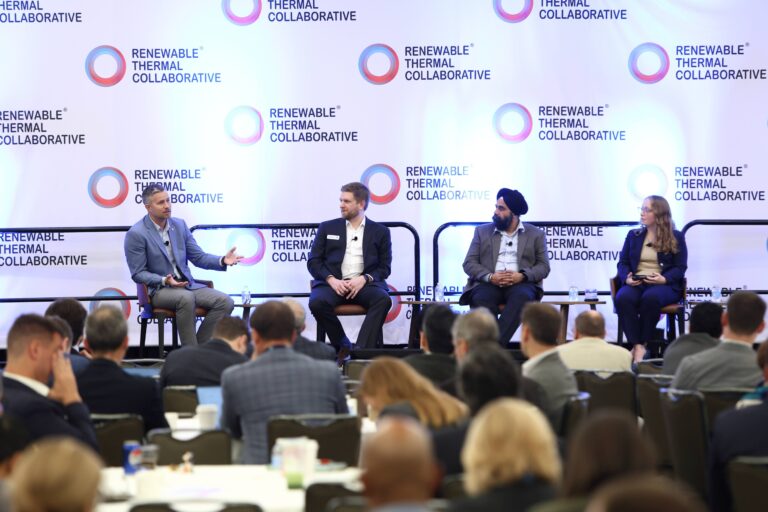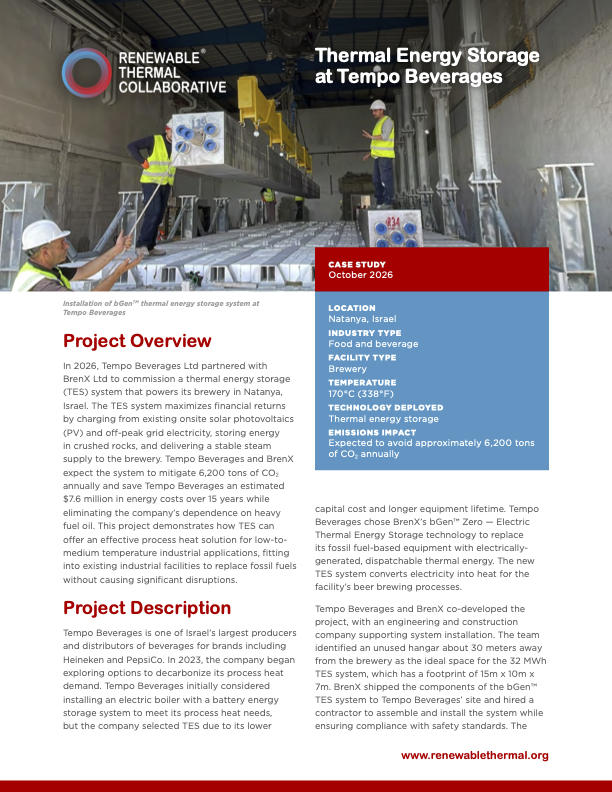
By Sasha Kreis, Research Associate at the Renewable Thermal Collaborative
It’s easy to share success stories. But, at the Renewable Thermal Collaborative (RTC), we know the most important lessons often come from failures.
The RTC Summit is designed to go beyond the usual headlines, enabling attendees across industries to drive real progress toward industrial heat decarbonization by candidly sharing project failures, lessons learned, and roadmaps for the future.

300 representatives from across industry, technology, state energy offices, and more attended RTC Summit 2026. Together, they represented an incredibly diverse range of sectors, solutions, countries, and experiences. And yet, despite their differences, everyone agreed on one thing:
There is no silver bullet. What works in one application may not work in another. Even across a single company’s portfolio, every site is unique, making widespread deployment at scale challenging.
—
But there may be a silver lining. “It seems like we’ve hit the inflection point,” said one RTC Solutions Provider. “We’ve moved from identifying problems, to potential solutions, to actually implementing those solutions.”
As the RTC community navigated this transition over the past decade, we stopped looking for stand-alone solutions and started asking a different question: how do we make the path to implementation easier for the next industrial end user?

Directly addressing this question, RTC Summit 2026 identified four universal lessons to guide industrial heat decarbonization at scale:
- Economics: Building the business case for thermal decarbonization requires collaborating with internal corporate teams to find creative financing solutions, including alternative mechanisms that go beyond traditional CapEx measures.
- Integration: Even when the appropriate technology is available, actual integration into existing systems requires data analysis, careful planning, and coordination with site operators.
- Alignment: Collaboration between site teams and corporate leaders must be ingrained into company culture to ensure buy-in at all levels.
- Market Development and Policy: There is only so much industry can do without policy change. Consistent engagement with policymakers, standard-making bodies, and public forums is crucial to drive lasting progress.
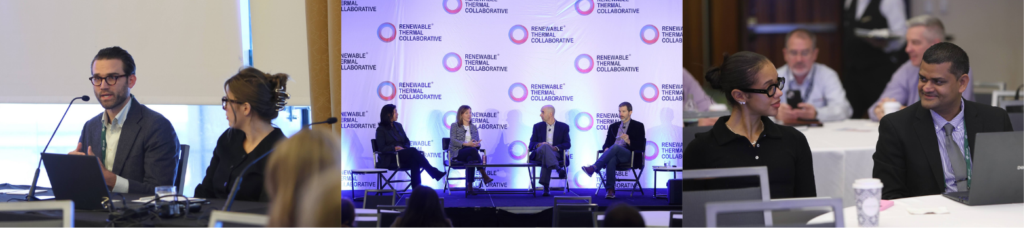
RTC has developed a community of practice where manufacturers can speak freely about what works, what doesn’t, and what it will take to scale clean industrial heat deployment, and that’s exactly what we did at RTC Summit 2026. Thank you to our Program Committee, sponsors, speakers, and attendees for making RTC Summit 2026 what returning attendees have called our best event yet.
We hope to see you next year! Save the date for October 20–22, 2027 at the Renaissance Arlington Capital View.
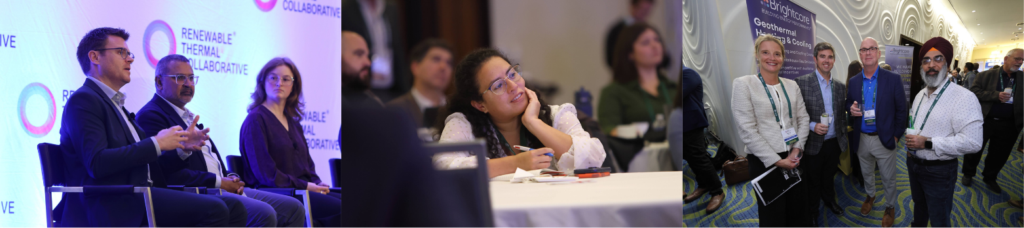
RTC Summit 2026 by the numbers:
- Three days of renewable thermal panels, conversations, and connections–including 14 breakout sessions designed for our most targeted discussions
- 300 attendees
- 80+ expert speakers across 26 informative sessions
- 12 hours of dedicated networking time
- 15 countries and four continents represented
- 48% first-time attendees
- 68% of attendees represented renewable thermal end users or solutions providers
- 20% of attendees held titles of Vice President or higher
- 51% of attendees held titles of Director or higher